
I.N.C. Men’s Blazer Won’t Fit After Dry Cleaning? Here’s the Fix
You picked up your blazer from the cleaners and slipped it on — only to realize the sleeves barely reach your wrists and the shoulders feel like a straightjacket. It’s a frustrating moment, but you’re not alone: heat and agitation during dry cleaning can cause wool and wool-blend fabrics to shrink, sometimes by a full size or more.
The good news is that blazer shrunk dry cleaning incidents are often reversible. With the right combination of steam, gentle stretching, and a careful re-blocking process, you can coax most blazers back toward their original dimensions. We’ll walk you through exactly how to assess the damage, what tools you need, and when it’s time to call in a tailor.
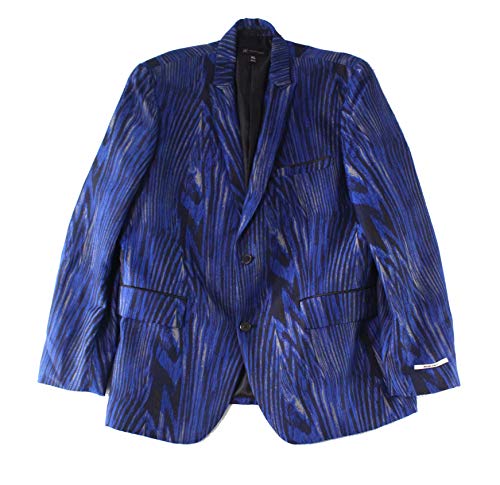
Why Dry Cleaning Shrinks Wool-Blend Blazers
Most modern blazers combine wool with synthetic fibers — polyester, rayon, or elastane — to hold shape and cut costs. When those blends encounter high heat or aggressive tumbling, the natural wool fibers contract while the synthetics may not respond the same way, creating uneven tension across the garment.
Dry cleaning solvent itself doesn’t shrink fabric, but the finishing step — pressing or steam cabinet work — often does. If the cleaner’s equipment runs too hot or the blazer spends too long in a heated drum, the wool component tightens. The fabric literally pulls in on itself, shortening sleeves, narrowing the chest, and sometimes puckering seams.
Why Your Blazer Shrank More Than Expected
A blazer that’s been cleaned multiple times is more vulnerable each cycle. Residual moisture from steam pressing, combined with the cumulative stress of repeated heat exposure, gradually ratchets up shrinkage. Even a half-inch lost per cleaning adds up over a year.
Restoring Fit With Steam and Gentle Stretching
Start by hanging the blazer in a steamy bathroom for 15–20 minutes — run a hot shower and close the door. The steam relaxes wool fibers without soaking the fabric. While the garment is still warm and damp, gently pull the sleeves, shoulders, and body panels in the direction they need to grow.
For sleeves, grasp the cuff and shoulder seam simultaneously and apply steady, even tension — no jerking. For the chest and waist, lay the blazer flat on a towel, pin the shoulders in place, and stretch the side seams outward. Leave it pinned overnight to let the fibers set in the new position.
Using a Garment Steamer for Precision Work
A handheld steamer gives you more control than bathroom steam alone. Work section by section: steam a sleeve thoroughly, then stretch it while the fabric is hot. Repeat until you’ve gained back the length you need. The same technique works for the back panel if the blazer feels tight across the shoulder blades.
When to Bring in a Professional Tailor
If steam and stretching don’t restore the fit — or if seams have puckered or the lining has shrunk independently of the shell — a tailor can disassemble the affected areas and re-block them on a dress form. This is especially common when only the lining contracts, pulling the outer fabric into bunched folds.
A good tailor will wet the wool slightly, stretch it over a form that matches your measurements, and pin it in place until dry. For severe cases they may replace the lining entirely or let out seams if there’s enough seam allowance. Expect to pay $40–$80 for a full re-block, more if lining replacement is involved.
If you’re considering whether alterations are worth the cost, compare it against replacing the piece — the I.N.C. men’s blazer line includes several fits and fabrics, but a tailored rescue often costs less than buying new.

Preventing Future Shrinkage
Always check the care label before handing over any blazer. If it says ‘dry clean only,’ ask your cleaner to use low heat and skip the steam cabinet — request a hand press instead. Some cleaners offer ‘wet cleaning’ for wool blends, which uses water-based solvents at controlled temperatures and significantly reduces shrinkage risk.
Between cleanings, air out your blazer on a padded hanger and spot-clean minor stains with a damp cloth and mild detergent. According to the Federal Trade Commission’s textile care labeling guide, manufacturers must provide one safe cleaning method, but that doesn’t mean it’s the only method — many ‘dry clean only’ labels are precautionary rather than absolute.
Storing Blazers to Minimize Fiber Stress
Store blazers in a breathable garment bag in a cool, dry closet. Avoid plastic bags, which trap moisture and encourage mildew. If you live in a humid climate, toss a silica gel packet into the bag to absorb excess moisture and keep wool fibers stable.
Getting Your Blazer Back in Shape
A shrunken blazer isn’t a lost cause. Steam, careful stretching, and a bit of patience can restore most garments to wearable condition — and if home methods don’t fully solve the problem, a skilled tailor can handle the rest.
The key is acting quickly. The longer a blazer sits in its new, smaller shape, the harder it becomes to coax the fibers back. And going forward, a few preventive steps — lower heat, less frequent cleaning, proper storage — will keep your blazers fitting the way they should for years to come.
Common Questions About Shrunken Blazers
Yes, in most cases. Steam the garment thoroughly, then gently stretch the affected areas while the fabric is warm and damp. Pin the blazer flat on a towel to hold the new shape overnight. This works best for wool and wool-blend fabrics that haven’t been over-pressed or scorched.
A well-executed dry cleaning should produce zero noticeable shrinkage. Any change of more than a quarter-inch in sleeve length or chest width indicates excessive heat or agitation. If your blazer shrank after a single visit, bring it back to the cleaner — many will re-press or compensate for the damage.
It can. Each heat cycle stresses the fibers further, especially if the garment wasn’t fully dried between cleanings. After the first shrinkage incident, request low-heat or hand-press service for all future visits, and consider switching to wet cleaning if your cleaner offers it.
A shrunken lining pulls the shell fabric into puckers and restricts movement even when the wool itself hasn’t contracted. A tailor can remove the lining, stretch or replace it, and reattach it without altering the outer fabric. This is a common fix and usually costs less than a full re-block.
For most wear, yes. Spot-clean stains immediately, air the blazer after each use, and only dry clean when the garment smells or shows visible soil. Reducing cleaning frequency to two or three times per year dramatically lowers cumulative shrinkage risk.
No. Wet wool is fragile and stretches unevenly, often distorting the weave or creating permanent sags. Use steam or a damp sponge to introduce just enough moisture to relax the fibers, then stretch gently. The fabric should feel warm and slightly damp, not dripping.